

Yet—it's simple...
From Krylov's Casket to Toilet Paper Rolls

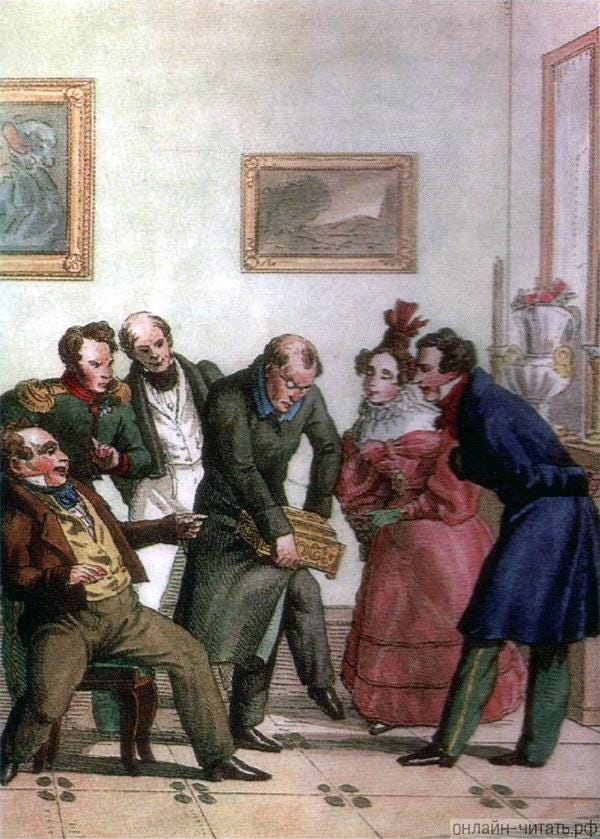
Thus spoke Russia’s best-known fabulist, Ivan Krylov1:
For a rich man, a local guest,
A master built a tiny chest.
A wondrous thing, its shape and grace
Brought light to every watcher’s face.Among the crowd, there came to see
A master of machinery.
He scanned the box with expert eye,
And to the guests, he made his cry:
“A secret’s hidden in this frame!
The proof: no lock, no key to name.
But I shall open it, you’ll see!
Don’t laugh – it’s child’s play to me.
Though it was built with craft and wit,
I know a thing or two of it!”And so the “surgery” began:
He turned it over, this great man,
He creased his brow, he strained his mind,
He poked and prodded, stayed confined,
And pressed in turn, with all his might,
On every bolt and button tight...The guests all marveled at his strain,
They smirked and whispered in disdain –
While every moment they could hear:
“Not this, not that, not there, I fear!”The expert sweated, red of face,
Until he tired of the chase.
And then, with shame in every bone,
He left the little box alone.But just one thought missed that great head:
To simply open it instead;
The box was made – as all could see –
To just lift up the lid, quite free.
And the moral is—
Sometimes a task we undertake
Seems like a puzzle, hard to break –
Yet it is simple, plain and clear,
If but with common sense we’d near.2
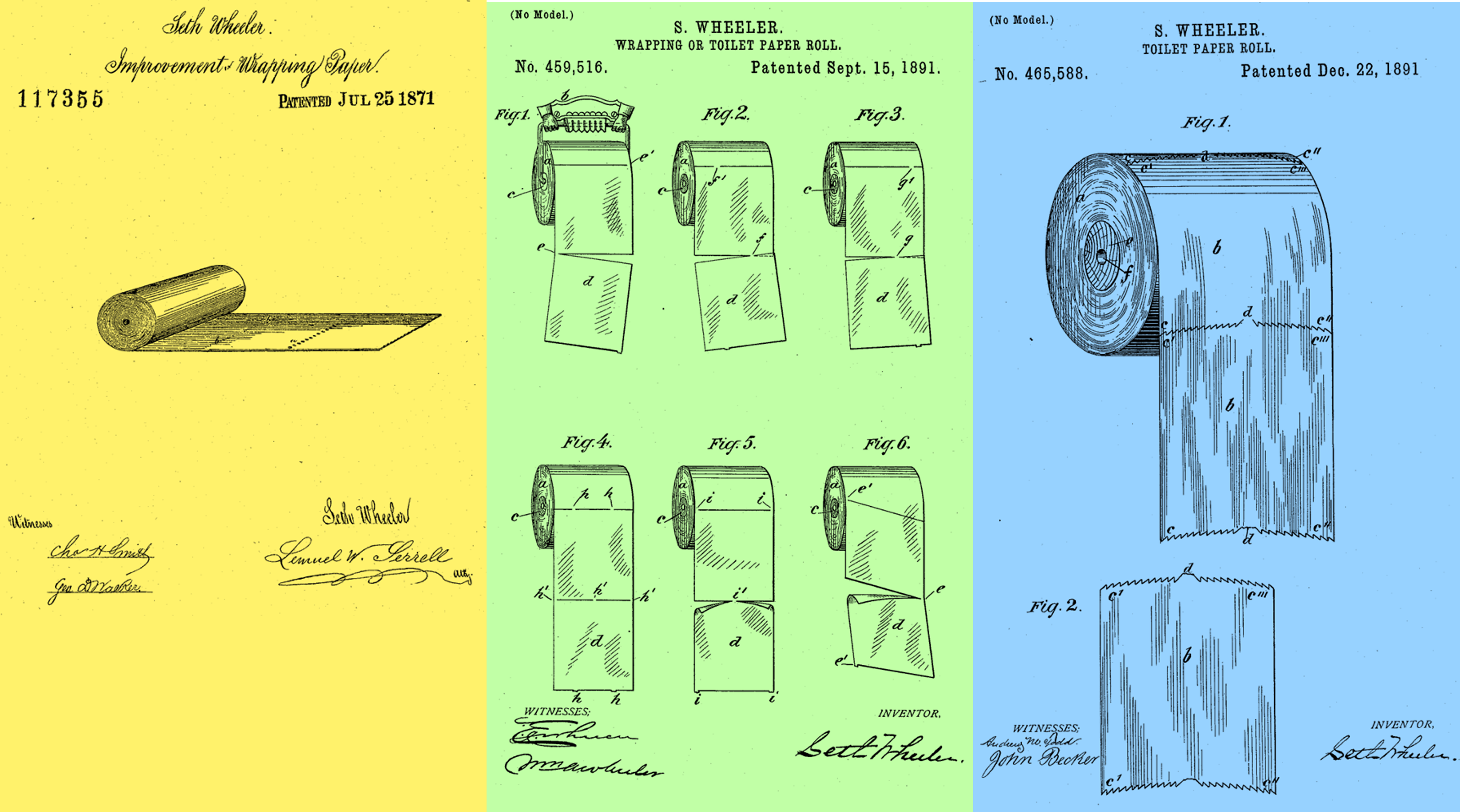
This persistent [human] tendency to complicate things beyond any initial or preliminary intention can be illustrated by the essentially fundamental issue of the hanging direction of toilet paper rolls…🧻…
Humanity had documented the convenient usage of toilet paper since the 6th century B.C.3, but it wasn’t until the late 19th century, when Mr. Seth Wheeler had put his mind to bettering the toilet paper, that people were swept by the fundamentally essential question of whether the roll should hang face up or down.
Humanity hadn’t waited for the rise of the internet, social media, and AI: The debate has gone on and been documented since the first drawings became known; nowadays, one may trace millions of web references to this substantial contemplation.
The point is that Mr. Wheeler did not care about the paper direction at all!
His main objective was improving the production of easily cut wrapping paper and toilet paper rolls.
The drawings show the paper face up because the idea can be better established thus!
The toilet hanger issue also demonstrates the human ability to further hyperbolize and escalate; for example—like this:
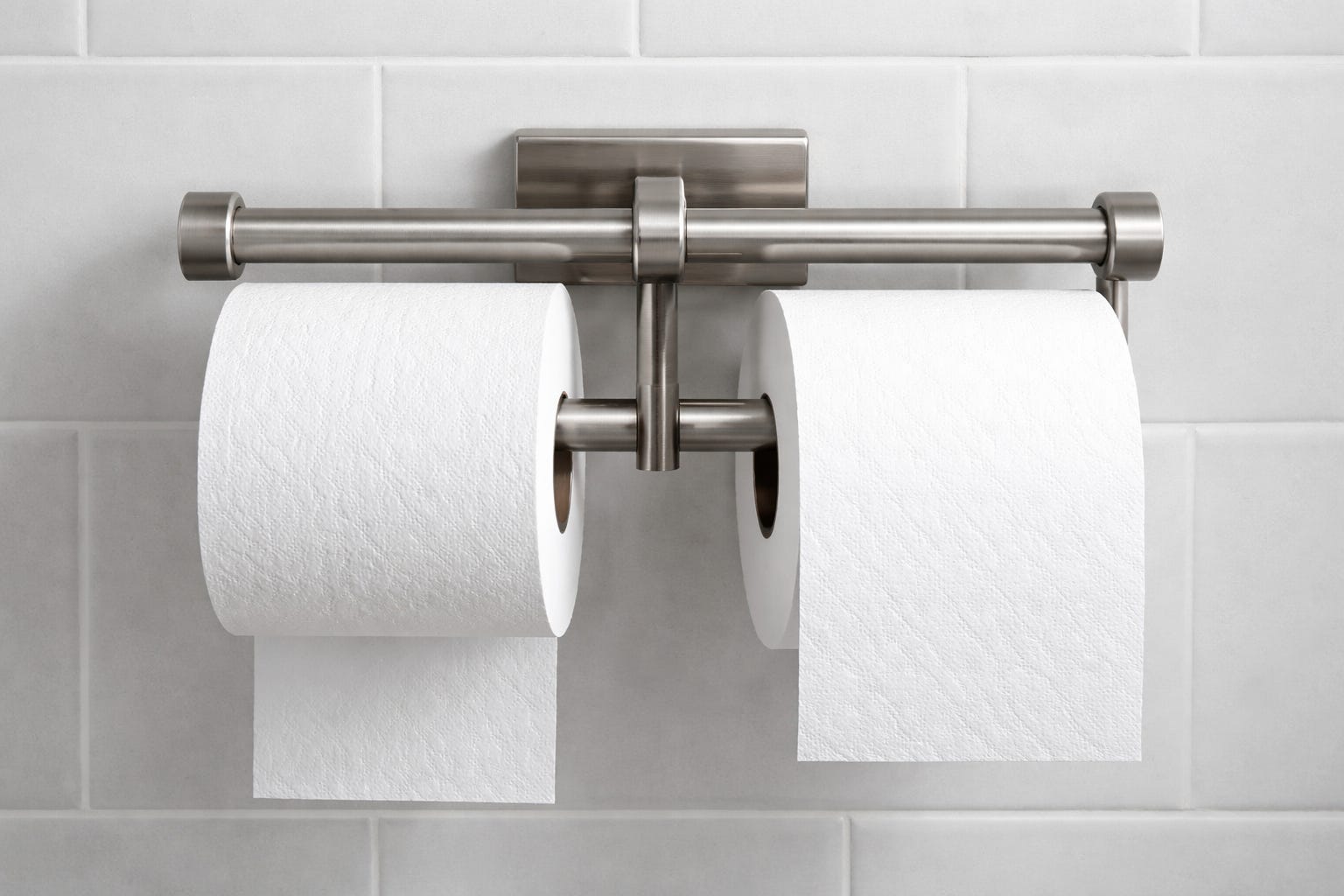
After all—it really doesn’t matter which way you place your roll [only the right direction is evident!4].

We also experience such attitudes when it comes to project management concepts and practices5: Instead of simply doing it, teams tend to waste time and digress into philosophical hair-splitting, intellectual gymnastics, or faux sophistry.
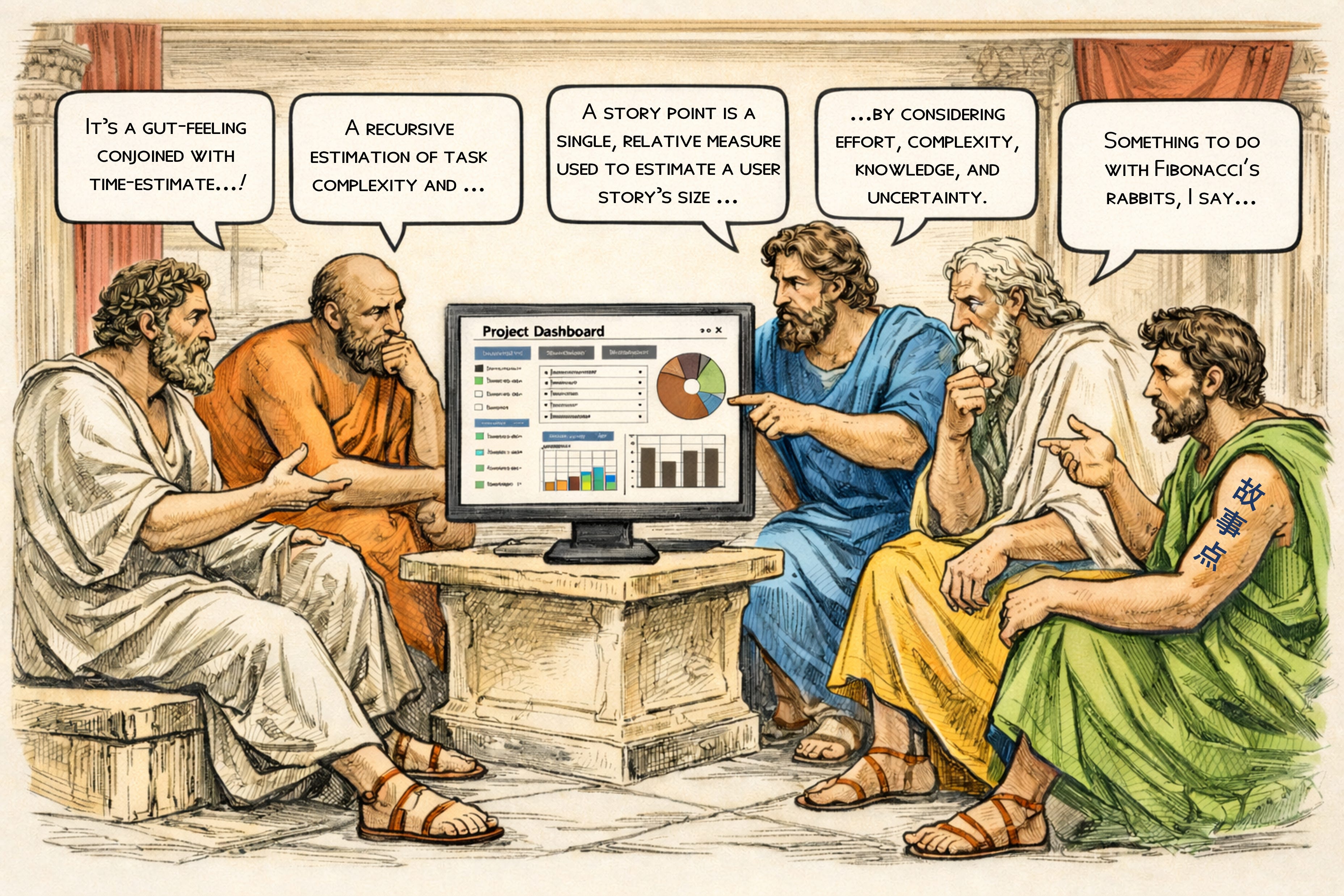
Paraphrasing on Krylov’s moral—
Sometimes a process we embrace
Seems like a challenge on its face;
Yet it is simple, well-defined,
If only discipline we find.
“The Casket” (or “The Little Casket,” Russian: Ларчик).
Translated by Gemini from the outstanding Hebrew translation.
Chinese written evidence of the use of paper for personal hygiene purposes.
By the 14th century (Ming Dynasty), there was already an orderly production of paper dedicated to imperial use, in large quantities and varying quality.
Of course—it should hang with the paper going behind,
NOT as depicted in the patent drawing.
Why?
Next time you're on your toilet seat and your toilet paper roll is facing you (as in the image), ask yourself, “What if there’s a spider hiding in the fold just below the roll, unseen as I see the back of the damned paper flop…!”
Refer, for example, to Ron Jeffries’ observation on Story Points.